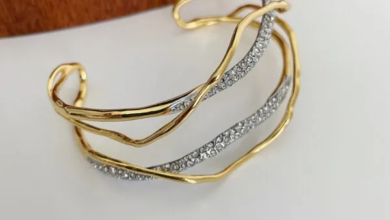
Advancements in additive manufacturing are fundamentally altering how high-grade accessories are conceptualized and produced. For a modern stainless steel bracelet manufacturer, integrating 3D printing into the workflow allows for the creation of intricate geometries that were previously impossible through traditional casting alone. This technology streamlines the transition from a digital file to a physical prototype, ensuring that the proportions and ergonomics of a piece are perfected before mass production begins. Star Harvest utilizes these technical advancements to enhance their customization services, allowing them to meet specific client demands with high precision and reduced lead times.
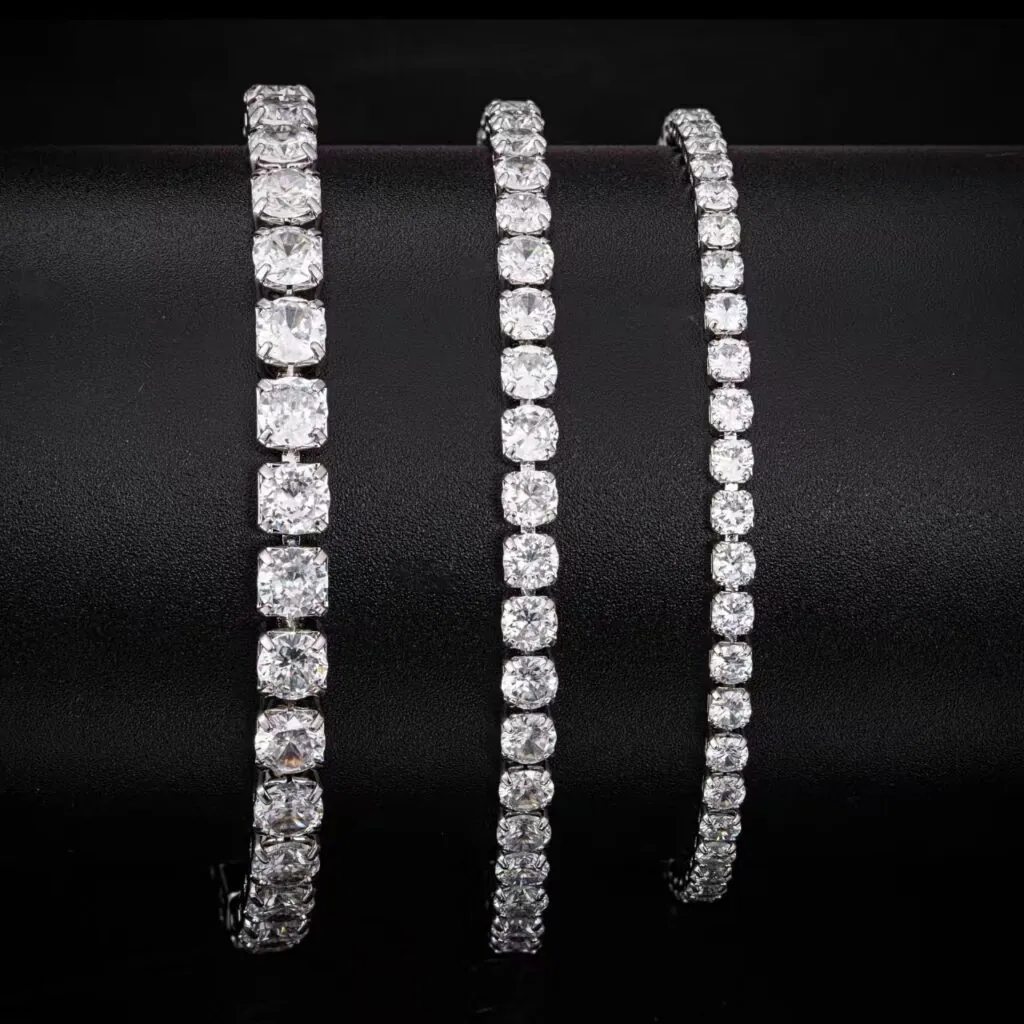
Enhanced Design Flexibility and Prototyping
Utilizing 3D printing enables a stainless steel bracelet manufacturer to experiment with complex interlocking links and organic textures that define premium jewelry collections. Instead of relying solely on manual carving, designers can print high-resolution wax or resin models to check the fit and finish of a new bracelet design. This capability ensures that every custom project meets the exact aesthetic requirements of the brand owner while maintaining the structural integrity required for daily wear. By refining the design in a digital environment, the margin for error during the final casting process is significantly narrowed.
Precision in Customization and Sampling
Batch consistency is a critical requirement for B2B clients who need their inventory to look identical across thousands of units. When working with stainless steel bracelet manufacturer partners, businesses often look for the ability to produce unique, branded components at scale. 3D printing facilitates the creation of highly detailed master molds for custom charms, clasps, and specialty links. This process allows for a higher level of detail in logos and fine patterns, ensuring that the brand’s identity is clearly represented in every piece of jewelry produced within the facility.
Scaling Production with Quality Systems
Maintaining high production capacity involves more than just speed; it requires a robust quality system to monitor every stage of the manufacturing cycle. Modern facilities incorporate 3D printing to create custom jigs and fixtures that aid in the polishing and assembly of stainless steel items. This technical support ensures that even very complex bracelets are finished to a uniform standard. By combining additive manufacturing with traditional finishing techniques, a manufacturer can scale their output effectively while ensuring that each item adheres to strict durability and safety standards required by international markets.
Strategic implementation of new technology ensures that the manufacturing process remains efficient and adaptable to changing market trends. These industrial tools provide the necessary infrastructure to handle complex, high-volume orders without compromising the fine details that define quality jewelry. As the industry evolves, the focus remains on delivering reliable, high-performance products that satisfy the rigorous demands of professional buyers. By prioritizing technical precision and scalable systems, manufacturers can continue to offer significant value through expert craftsmanship and innovative production methods.