
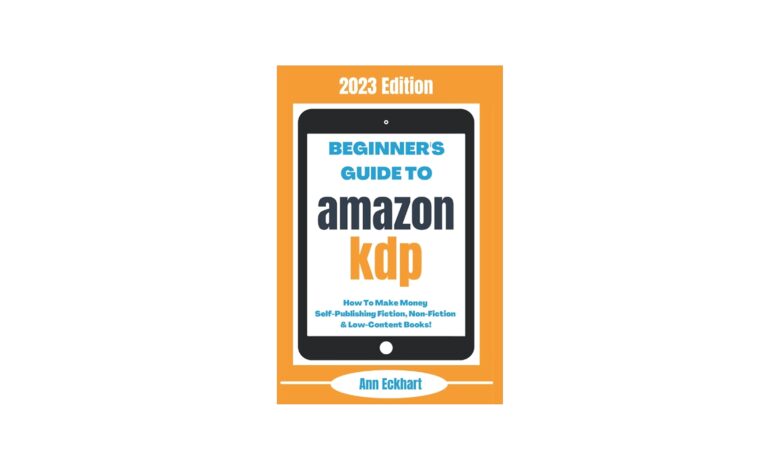
The rise of digital publishing has transformed how authors share their work with the world, and amazon kdp has become one of the most powerful platforms driving this change. Whether you are a new writer, an entrepreneur, or someone looking to build a passive income stream, amazon kdp provides a straightforward way to publish books and reach millions of readers globally. Instead of relying on traditional publishers, authors can now upload their manuscripts, design their covers, and sell their books directly on Amazon’s marketplace. This shift has opened the door for countless creators to turn ideas into published works without major upfront costs.
Self publishing used to be a complicated process that required significant investment and industry connections. Today, platforms like Amazon’s Kindle Direct Publishing have simplified the entire journey. Writers can publish ebooks, paperbacks, and even hardcover books while maintaining full control over their content, pricing, and royalties. Because of this accessibility, many entrepreneurs are now using amazon kdp not only for storytelling but also for educational books, journals, planners, low content books, and niche guides that attract consistent buyers.
One of the most appealing aspects of the platform is the level of control it gives creators. Authors can update their books whenever necessary, experiment with different cover designs, adjust pricing strategies, and monitor sales performance through the dashboard. This flexibility allows publishers to treat book publishing almost like a digital business. By studying market trends and reader preferences, authors can continuously refine their books to improve visibility and profitability.
Another reason for the popularity of this platform is the massive customer base already built into Amazon. Millions of people browse the website daily looking for books, which means authors gain access to a ready made marketplace. Instead of building an audience from scratch, writers can position their books in front of readers who are actively searching for solutions, entertainment, or knowledge. With proper keyword optimization and category placement, even new authors can discover steady sales.
The process of getting started is relatively simple. Writers begin by creating an account on the publishing platform and filling in the required author details. Once the account is set up, the next step is preparing the book manuscript and cover design. Manuscripts should be formatted according to Amazon’s guidelines to ensure that they display correctly on Kindle devices and printed copies. A professional looking cover is equally important because it acts as the first impression for potential buyers browsing through search results.
After uploading the manuscript and cover, authors must provide book details such as title, description, keywords, and categories. These elements play a crucial role in helping readers discover the book. A well written description acts like a sales page that explains the value of the book while encouraging readers to click the purchase button. Keywords help the platform understand the topic of the book and show it to readers searching for related information.
Pricing is another important decision that authors need to make. Amazon allows writers to choose their own pricing structure for both ebooks and paperbacks. Many publishers experiment with different price points to find the best balance between sales volume and profit margins. Ebooks typically earn royalties of up to seventy percent depending on pricing and distribution choices, while printed books generate profit based on printing costs and the selected retail price.
Marketing plays a major role in the success of self published books. Even though Amazon provides access to a massive audience, authors still need to promote their work to stand out among millions of titles. Successful publishers often use strategies such as social media promotion, email newsletters, content marketing, and advertising campaigns to drive traffic to their books. Reviews also play a critical role because they build trust with potential readers who are deciding whether a book is worth buying.
Another growing strategy among publishers is creating books that target specific niches. Instead of writing general topics, many authors research underserved categories where reader demand is high but competition is relatively low. Examples include hobby guides, educational resources, self improvement topics, and specialized journals. By focusing on niche markets, authors can position themselves as experts while attracting readers who are actively looking for those topics.
Consistency is often the difference between authors who succeed and those who give up too early. Publishing a single book may generate some income, but building a catalog of books significantly increases visibility and earning potential. Many successful publishers release multiple titles within related niches, allowing them to reach different audiences while strengthening their brand presence. Over time, this strategy can lead to steady passive income as each book continues to generate sales.
Design quality is another factor that should not be overlooked. While the platform allows anyone to publish, readers still expect professional standards. Poor formatting, low quality covers, or poorly edited content can quickly lead to negative reviews. Investing time in editing, proofreading, and visual design greatly improves the credibility of a book and increases the chances of long term success.
Analytics provided by the platform also help authors understand their performance. Through the dashboard, publishers can track sales data, royalty earnings, and reader engagement. This information helps writers identify which books are performing well and which ones may need improvements. Some authors use these insights to refine future projects, focusing on topics and formats that show stronger demand.
Another advantage of self publishing is the speed of distribution. Traditional publishing often takes months or even years before a book reaches readers. In contrast, digital self publishing allows authors to make their work available within a short period after submission. Once a manuscript is approved, it can appear on Amazon’s marketplace within a day or two, making it possible to test new ideas quickly.
The platform also supports global distribution. Books published through the system can be purchased by readers from many different countries. This global reach creates opportunities for authors to build international audiences without dealing with complicated logistics or publishing agreements. For writers who produce content in English, the potential readership is especially large because English language books are widely consumed worldwide.
Despite the many benefits, authors should approach publishing with realistic expectations. While some books achieve rapid success, many require time and strategic marketing before gaining traction. Treating publishing like a long term business rather than a quick money making method often leads to better outcomes. Authors who invest time in research, writing quality content, and understanding reader needs are more likely to see consistent results.
Another emerging trend is the use of book series. Instead of publishing standalone titles, many writers create multiple books connected by a common theme or storyline. This approach encourages readers who enjoy one book to purchase the next installment, increasing overall sales. For nonfiction writers, a series can focus on different aspects of the same subject, offering readers deeper knowledge while strengthening the author’s brand.
Writers who want to succeed should also pay attention to reader feedback. Reviews often reveal what readers appreciate as well as areas that could be improved. By learning from this feedback, authors can refine their writing style, improve formatting, and develop better topics for future books. Over time, this process helps build a stronger reputation among readers.
The future of self publishing continues to grow as more people explore digital entrepreneurship. With the increasing demand for online content and learning resources, books remain one of the most effective ways to share knowledge and stories. Platforms that allow direct publishing empower creators to build businesses around their expertise and creativity.
In conclusion, amazon kdp has transformed the publishing landscape by giving authors the tools to publish, distribute, and profit from their books without relying on traditional gatekeepers. By focusing on quality content, strong marketing strategies, and consistent publishing efforts, writers can build a sustainable presence in the digital book market. For aspiring authors and entrepreneurs alike, the platform offers a powerful opportunity to turn ideas into published works that reach readers across the world.