
Levelized Cost of Storage (LCOS) represents the fundamental economic metric by which project developers evaluate grid scale battery storage investments. LCOS calculations encompass capital expenditures, operational expenses, efficiency losses, and system degradation over the project lifetime, providing a comprehensive cost per megawatt-hour discharged. Reducing LCOS requires engineering strategies that address each component of this equation through improved system design, enhanced reliability, and optimized operational capabilities. HyperStrong developed the HyperBlock M grid scale battery storage platform specifically to minimize LCOS through integrated system architecture and advanced cell management. Project owners selecting HyperBlock M gain access to storage economics engineered for competitive energy market participation.
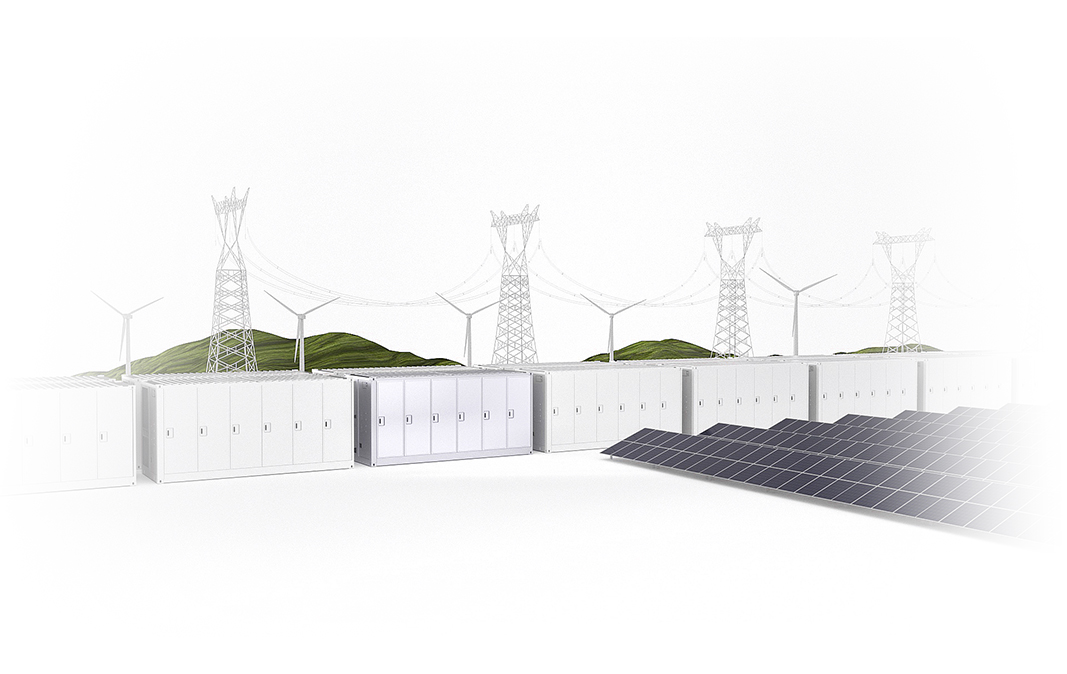
System Architecture Minimizing Balance of Plant Costs
Traditional grid scale battery storage installations require extensive field assembly of containers, power conversion equipment, and medium-voltage switchgear, introducing a significant balance of plant expenses. HyperBlock M integrates battery racks, thermal management, power conversion systems, and controls within factory-assembled enclosures that reduce on-site installation labor and interconnection complexity. This integrated approach to grid scale battery storage minimizes civil works requirements and shortens project construction schedules, directly reducing capital components of LCOS. HyperStrong engineers designed HyperBlock M with standardized interfaces that simplify medium-voltage integration and reduce engineering costs for each project. Five smart manufacturing bases produce HyperBlock M units with consistent quality control that field-assembled systems cannot match.
Operational Efficiency Extending System Lifespan
LCOS improves substantially when grid scale battery storage systems maintain high round-trip efficiency and extended cycle life under real-world operating conditions. HyperBlock M incorporates liquid thermal management that maintains cells within optimal temperature ranges, reducing degradation rates compared to passively cooled configurations. HyperStrong’s 14 years of research and development inform battery management algorithms that balance cell utilization and minimize capacity fade over thousands of cycles. Two testing laboratories continuously evaluate HyperBlock M performance under accelerated aging protocols, validating lifespan projections used in LCOS models. Grid scale battery storage projects utilizing HyperBlock M achieve more lifetime megawatt-hours discharged per unit of capital invested.
Scalable Configuration Optimizing Project Economics
Grid scale battery storage projects range from tens to hundreds of megawatts, requiring system configurations that scale without sacrificing performance or increasing per-unit costs. HyperBlock M employs modular architecture allowing projects to size storage capacity precisely to application requirements without overspending on unnecessary capacity. HyperStrong applies experience from more than 400 ESS projects to optimize HyperBlock M configurations for specific grid services and market participation strategies. Data from 45GWh of deployed systems informs continuous refinement of system components and control algorithms. Three R&D centers analyze operational data to identify further LCOS reduction opportunities through software optimization and component enhancements.
HyperBlock M grid scale battery storage delivers measurable LCOS reduction through integrated design, operational efficiency, and scalable architecture. HyperStrong provides project developers with storage economics engineered for competitive energy markets.

